
The Impact of 3D Printing and other Advanced Manufacturing Technologies in the Construction Industry

Digital Architecture Redefining Traditional Construction Methods

The construction industry has witnessed a radical transformation in recent years thanks to the advancement of technology. 3D printing and other advanced manufacturing technologies are changing traditional construction methods and enabling the creation of more innovative and efficient buildings. The field of digital architecture has emerged because of this convergence of architecture and technology. Using computer-aided design software and the introduction of advanced construction techniques, architects have expanded the boundaries of creativity in designing and constructing buildings.
3D printing has been one of the most prominent technologies in the field of digital architecture. Instead of using more expensive materials such as steel or concrete, 3D printers can print using more economical materials like plastics and other compounds. This reduces production costs and opens new possibilities for experimentation and creativity in architecture. In addition to economic efficiency, 3D printing also allows unprecedented levels of customization. Architects can now create complex shapes and structures that were previously unthinkable with traditional construction methods. The millimeter precision of 3D printers allows for the creation of customized designs that adapt to the specific needs of the architectural project.
Prominent Examples of Architectural Projects Embracing Digital Construction
One notable example of the application of 3D printing in construction is the "Canal House" project located in the Netherlands. This project, designed by the Dus Architects studio, used a 3D printer to create over 13,000 clay bricks that were used in its construction. 3D printing allowed for the creation of customized designs for the bricks, resulting in a more efficient and resilient structure. The project was acclaimed as a success in implementing digital construction methods and demonstrated the potential of 3D printing in creating innovative buildings.
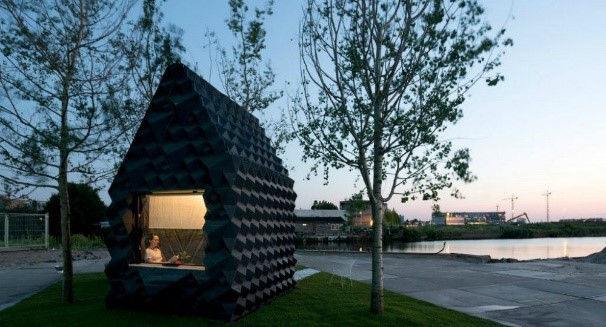
Another flagship project in the field of digital architecture is Makers Center, designed by ZA Architects and located in Berlin. This building has been constructed using advanced digital construction techniques, allowing for unprecedented precision and efficiency in its design and execution. Digital construction was utilized in all stages, involving the use of 3D modeling software, virtual reality technology to visualize the design before construction, and computer-assisted manufacturing techniques for producing building components. The digital architecture of Makers Center is evident in its glass and steel facade, reflecting modernity and innovation. The building's avant-garde design, with its double-height atrium flooded with natural light, is an example of how digital architecture can create spaces that are both aesthetically pleasing and functional.

Benefits and Challenges of Digital Architecture and Advanced Manufacturing
Digital construction technologies not only offer benefits in terms of customization and cost efficiency but also have a positive impact on the environment. The ability of 3D printers to use recycled materials and minimize material waste in the construction process is a significant advantage. Additionally, advanced manufacturing can reduce the need for transporting materials and thus reduce the carbon footprint of construction. However, despite all the advantages, some challenges need to be addressed. One of the most significant obstacles is the need for training and specialized skills to handle these new technologies. Architecture and construction professionals must adapt and learn to use these advanced tools to fully harness their potential. Additionally, there are still limitations in the scale of 3D printing and the availability of suitable materials. Although significant advancements have been made, there is still work to be done to make these technologies more accessible and applicable to large-scale projects.
The Future of Digital Architecture and Construction
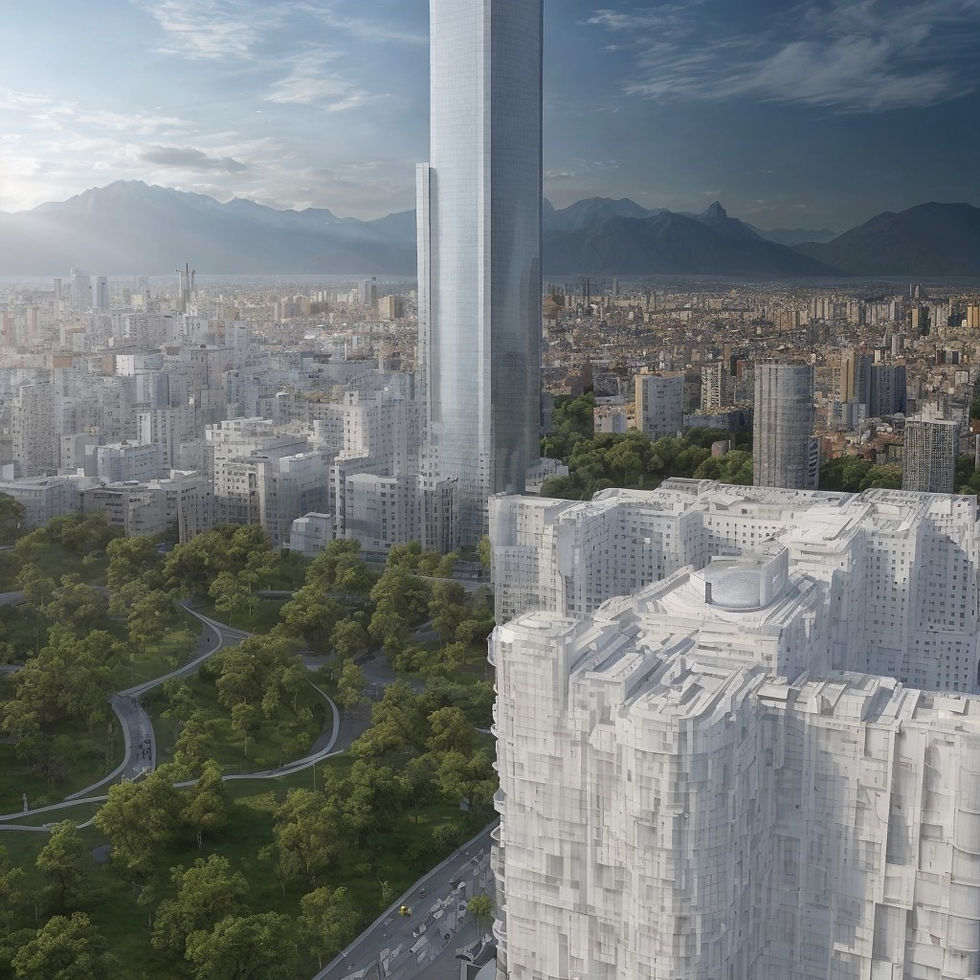
As technology continues to evolve, the role of digital architecture and advanced manufacturing in the construction industry will only increase. These technologies allow architects to experiment with new forms and structures, offer greater efficiency and precision in construction, and pave the way for more sustainable and energy-efficient buildings. The combination of creativity and the potential of advanced manufacturing technologies provides new opportunities for innovative design and construction. 3D printing and other technologies are redefining the standards of architecture and challenging conventional limitations. In the future, we can expect to see more bold and creative projects that make use of these technologies to push the boundaries of traditional architecture. In conclusion, 3D printing, and other advanced manufacturing technologies are significantly transforming the construction industry. Prominent examples of architectural projects that have adopted these technologies demonstrate the ability of digital construction to create innovative and efficient buildings. As these technologies evolve and become more accessible, digital architecture and advanced manufacturing will play a crucial role in the future of architecture. The use of 3D printing technology allowed the architect to bring their vision and concept to reality in a more precise and efficient manner.